
Knee Pain FAQs – Causes, Treatment When to See a Doctor in Guwahati
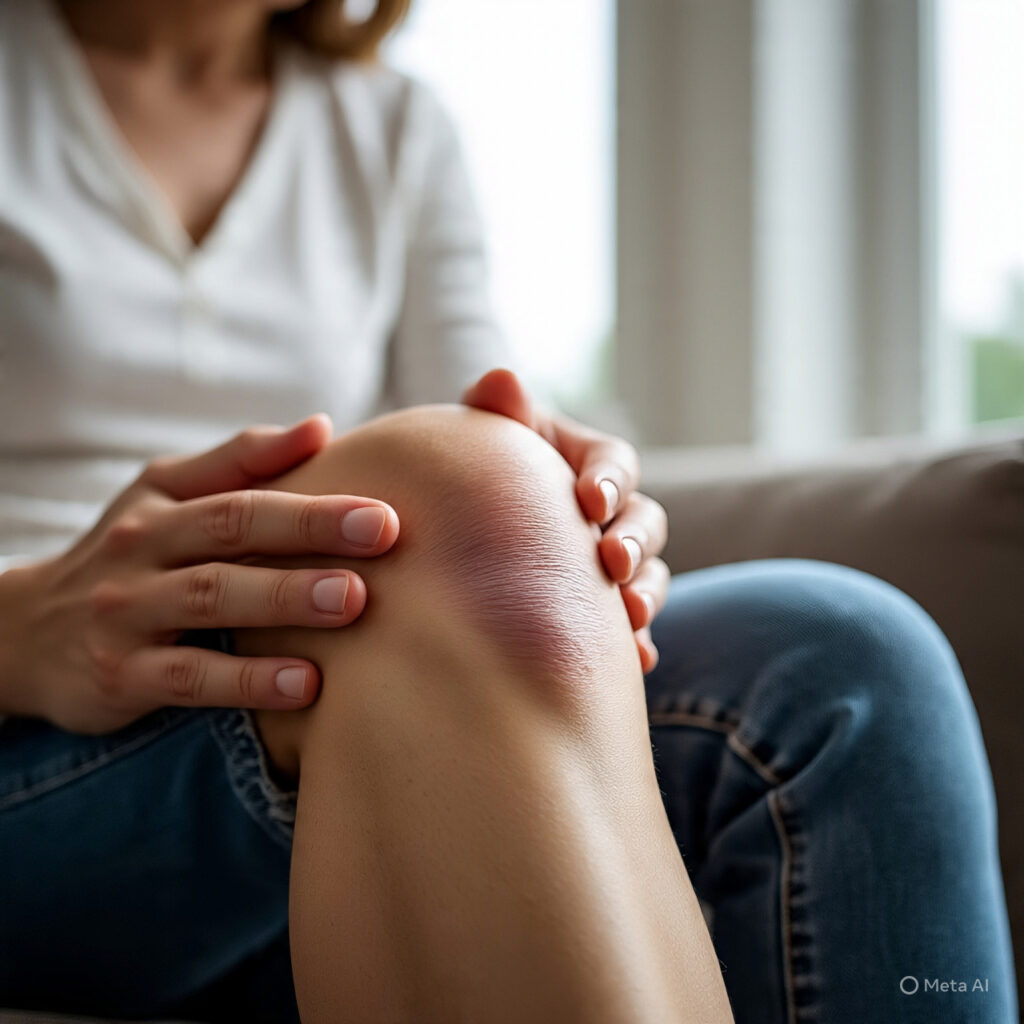
Knee pain is one of the most common joint problems affecting people of all ages. It can range from mild discomfort to severe pain that limits walking, climbing stairs, or daily activities. This page answers the most common questions about knee pain and explains when you should consult an orthopaedic specialist in Guwahati.
Knee pain is one of the most common joint problems affecting people of all ages. It can range from mild discomfort to severe pain that limits walking, climbing stairs, or daily activities. This page answers the most common questions about knee pain and explains when you should consult an orthopaedic specialist in Guwahati.
What is knee pain?
Knee pain refers to discomfort, soreness, stiffness, or swelling in or around the knee joint. It may develop suddenly after an injury or gradually due to wear and tear, arthritis, or overuse.What are the common causes of knee pain?
1. Osteoarthritis
Age-related wear and tear of the knee joint cartilage, commonly seen in people above 45 years.2. Ligament injuries (ACL, PCL, MCL)
Sports injuries or accidents can damage knee ligaments, causing instability and pain.3. Meniscus tear
A tear in the knee cartilage often caused by twisting injuries or squatting.4. Patellofemoral pain (front knee pain)
Pain around the kneecap, common in young adults and athletes.5. Tendinitis & bursitis
Inflammation of tendons or fluid-filled sacs around the knee due to overuse.6. Fractures & trauma
Road traffic accidents or falls may cause bone injuries around the knee.7. Obesity & weak muscles
Excess weight increases pressure on the knee joint and weak muscles reduce joint support.When should I see a doctor for knee pain?
You should consult an orthopaedic doctor if you have:- Knee pain lasting more than 5–7 days
- Swelling, redness, or warmth around the knee
- Difficulty walking or bending the knee
- Locking or giving way of the knee
- Severe pain after injury or accident
- Night pain or fever with knee swelling
How is knee pain diagnosed?
An orthopaedic specialist may use:- Detailed clinical examination
- X-ray to assess bones and arthritis
- MRI scan to detect ligament or cartilage injuries
- Blood tests (if infection or arthritis is suspected)
What are the treatment options for knee pain?
1. Rest & activity modification
Avoiding activities that worsen pain helps in early recovery.2. Medications
Pain relievers and anti-inflammatory medicines may be prescribed under medical supervision.3. Physiotherapy
Strengthening and stretching exercises improve knee stability and reduce pain.4. Knee supports & braces
Useful for ligament injuries and arthritis patients.5. Injections
Lubrication or anti-inflammatory injections may be recommended in selected cases.6. Surgery
Required for severe ligament tears, meniscus injuries, fractures, or advanced arthritis.Do I need surgery for knee pain?
Most knee pain conditions can be treated without surgery. Surgery is advised only when:- Pain does not improve with conservative treatment
- There is significant ligament or cartilage damage
- Advanced knee arthritis limits daily life
- There are complex fractures or joint deformity
What exercises help in knee pain?
1. Quadriceps strengthening
Helps support the knee joint.2. Hamstring stretching
Improves flexibility and reduces joint stress.3. Straight leg raises
Safe for early knee strengthening.4. Heel slides
Improves knee bending movement. You can see the videos of Common Knee exercises. Important: Exercises should be done only after consultation with a doctor or physiotherapist.How long does knee pain take to heal?
- Mild strain: 1–2 weeks
- Ligament or meniscus injury: 4–8 weeks
- Arthritis: long-term management
- Post-surgery: 6–12 weeks rehabilitation
Can knee pain be prevented?
- Maintain healthy body weight
- Exercise regularly
- Warm up before sports
- Use proper footwear
- Avoid sudden twisting movements
Why choose Dr Firoz Ahmed for knee pain treatment in Guwahati?
- MS (Orthopaedics) Highly qualified specialist
- Experience in Knee Replacement & Arthroscopy surgery
- Modern diagnosis and treatment approach
- Personalized rehabilitation guidance
- Continuos training and Knowledge update
Frequently Asked Questions (FAQ)
Is walking good for knee pain?
Yes, light walking is beneficial for mild arthritis and stiffness. Avoid walking if pain increases.Does knee pain always mean arthritis?
No. Knee pain can occur due to ligament injury, cartilage damage, or muscle weakness.Can young people get knee pain?
Yes. Sports injuries, overuse, and poor posture commonly cause knee pain in young adults.Is MRI necessary for knee pain?
MRI is needed if ligament or cartilage injury is suspected.Which doctor should I consult for knee pain?
An orthopaedic specialist should evaluate knee pain.Is knee replacement the only solution for arthritis?
No. Surgery is the last option after medicines, physiotherapy, and injections fail.Click here for detailed FAQs on various Orthopaedics topics
Medical review by Dr Firoz Ahmed, MBBS, MS (Orthopaedics) – Consultant Orthopaedic Surgeon, Guwahati.
Last Updated: Jan 2026
Disclaimer: This post is for general awareness only and cannot substitute for medical knowledge. Any treatment decision has be based on actual patient examination and consultation by an experienced medical professional.
References:
- American Academy of Orthopaedic Surgeons (AAOS)
- Mayo Clinic
- Cleveland Clinic
with Dr Firoz Ahmed for expert Knee Pain treatment in Guwahati.
OPD Schedule: Mon – Sat (9AM to 4 PM)
Address: ARHI Hospital,11th Mile, Jorabat,Khanapara