
ORTHOPAEDICS • GUWAHATI
Bone Tumour Treatment in Guwahati
A Patient's Guide
Dr. Firoz Ahmed, MS Orthopaedics
Updated: May 2026
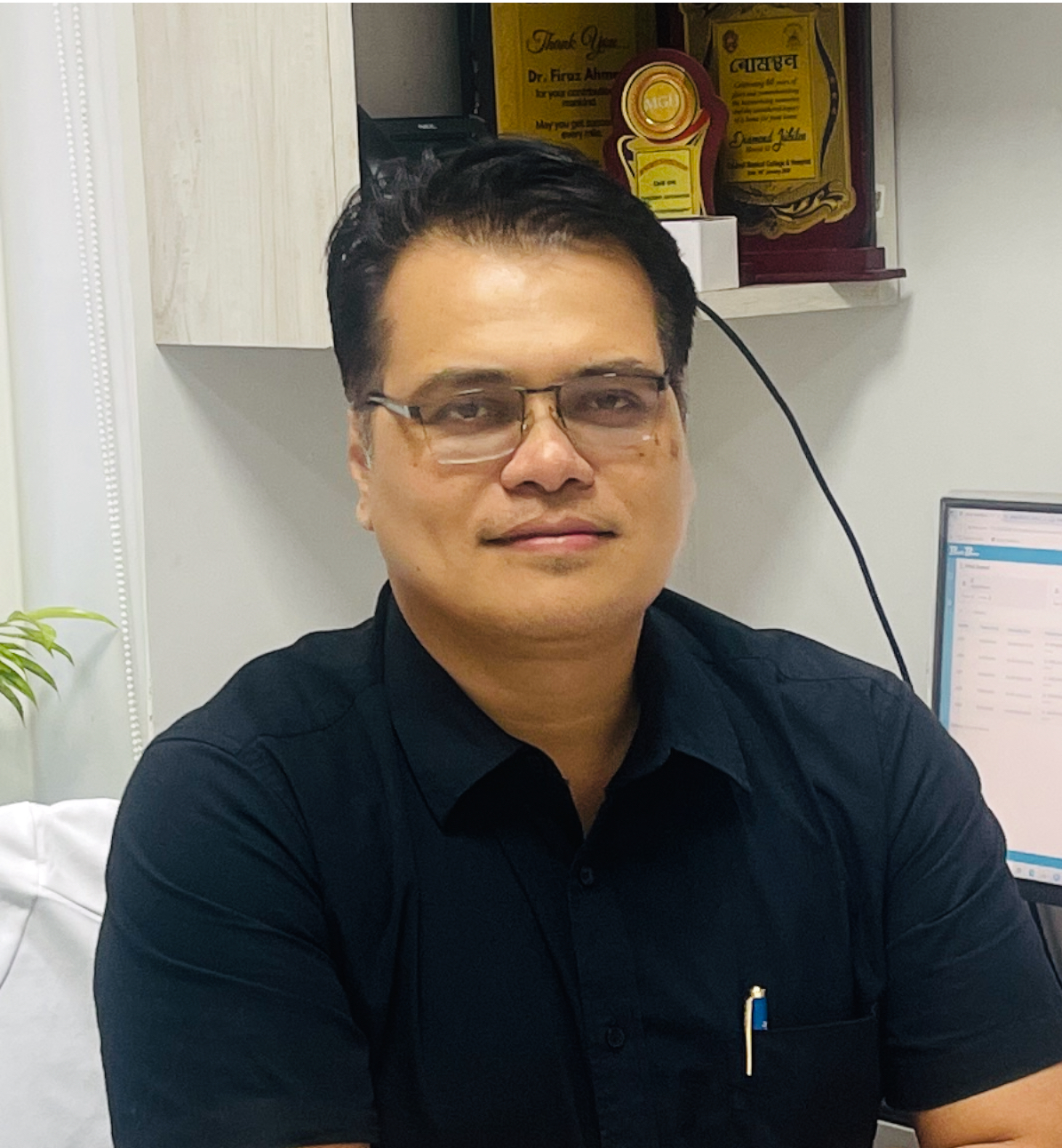
Dr. Firoz Ahmed is one of the most experienced Orthopaedics surgeons in Guwahati, with a special focus of bone tumour management and trusted by patients from Guwahati and across Assam and North East India.
- 15+ Years Experience
- 500+ Successful Surgeries
- Advanced Surgical Techniques
- High Patient Satisfaction
Bone Tumour: Be Aware, Not Scared
The word “Tumour” caries an ominous feeling with it, and understandably so. However, all bone tumours are not cancer.
Most of the bone tumours are not malignant and carry a comparatively lower risk and better outlook. With the advancements in medical science, a majority of the bone tumours have become manageable, and those patients can regain an active life.
Different Types of Bone Tumours
Bone tumour means abnormal growth of bone cells.
Depending on their source, they can be of two types:
Primary Bone Tumour
When the tumour arises from that particular part.
Secondary Bone Tumour
When the tumour arises from a different organ (like kidney, liver, lung etc) and spread to the bones. These have a poorer prognosis.
Types of Primary Bone Tumours
Benign Tumour
These tumours can grow locally but usually do not spread to the other parts of the body. Examples are:
- Osteochondroma
- Osteoid Osteoma
- Giant Cell Tumour
- Enchondroma etc
Benign Tumour-Like Condition
These are not exactly tumours, but abnormalities in the bone itself. Example are:
- Fibrous Dysplasia
- Unicameral Bone Cysts etc
Malignant Tumour (Cancer)
These are the real cancers. They can spread to other parts of the body and carry a poor prognosis. Examples are:
- Osteosarcoma
- Chondrosarcoma
- Ewing’s sarcoma etc
Risk Factors For Bone Tumours
The causative factors behind bone tumours are still not conclusively established. Lots of research work is still going on. However, the following factors are thought to contribute to the occurrence of bone tumors.
- Genetic predisposition
- Familial tendency
- Previous radiation exposure
Symptoms of Bone Tumours
Bone tumours are notoriously silent. It can grow without exhibiting too many signs and symptoms. Many a times, the symptoms can be confused with other conditions such as infection, injury etc.
However, the following symptoms should not be ignored:
- Persistent bone pain, specially at night and not relieved by medicines.
- A lump or swelling
- Fracture following a trivial injury or sometimes without any injury
- Severe back pain which cannot be explained
- Persistent fatigue or weakness
How Is Bone Tumour Diagnosed?
A thorough clinical examination
XRay
Basic preliminary test. Shows the extent, type and location of the tumour. But sometimes in early cases, it can miss.
MRI
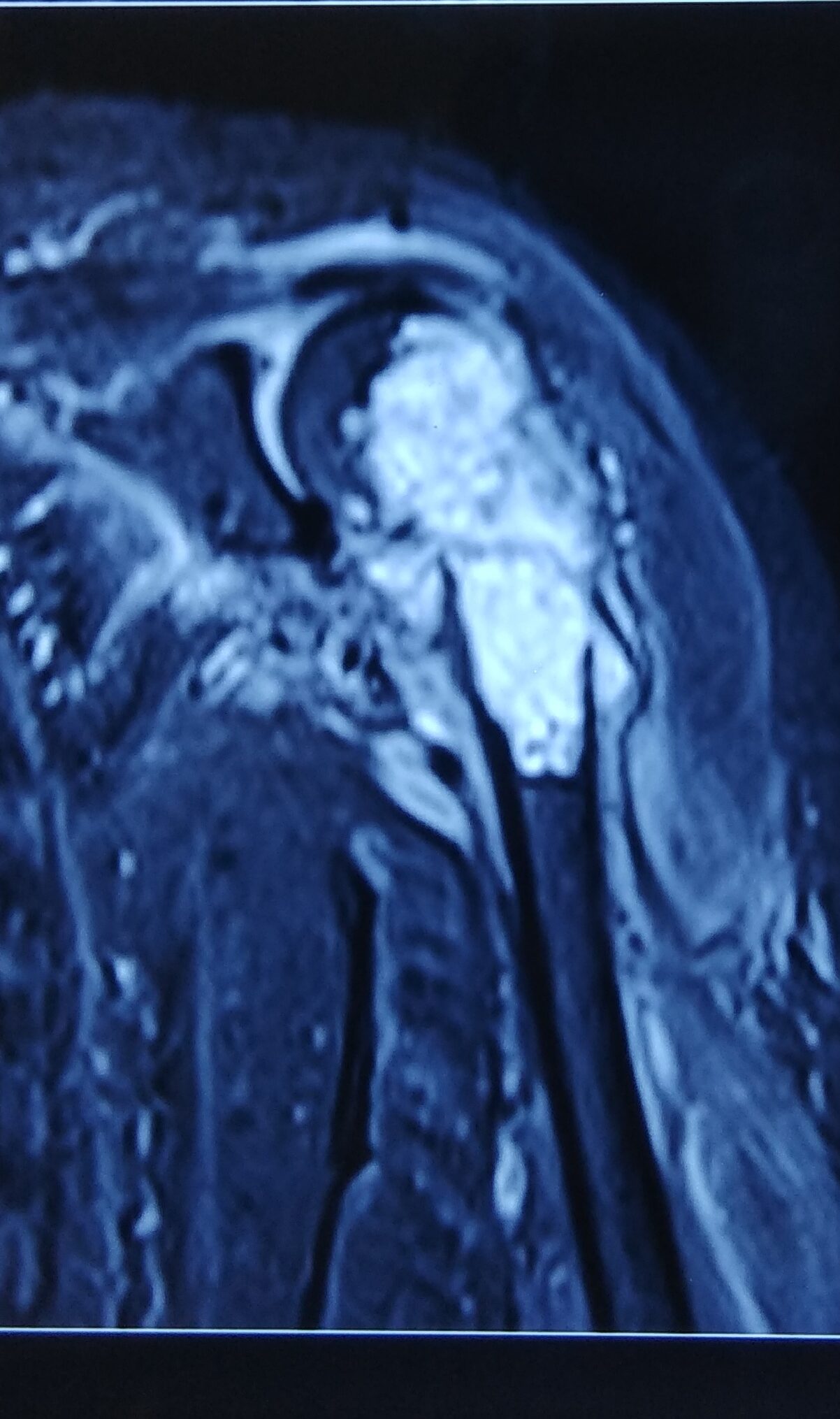
Gold standard test for Bone tumour. It shows the full extent of the tumour along with local spread and bony damage.
CT
Shows bone damage, location etc.
PET CT
Its a full body test and shows the tumour spread.
Biopsy
The definitive test.
Which Type of Biopsy is Preferred?
Biopsy is the most definitive test to diagnose bone tumour.
It must be planned in proper manner so that it does not cause problems in future treatment of the tumour.
Core Needle Biopsy: Preferred nowadays. Can be done with a needle under local anesthesia.
Open Biopsy: Only done in selected cases.
Excision Biopsy: When the biospy and tumour removal both are done at the same time.
Treatment Options For Bone Tumour
Treatment of bone tumour is highly individualized and depends on multiple factors like
- Age of the patient
- Site of the tumour
- Type of the tumour
- Stage of the tumour
- Patient’s health etc
Observation
In few selected benign conditions, observation and periodic follow-up may be recommended.
Surgery
The surgical approach includes many different techniques
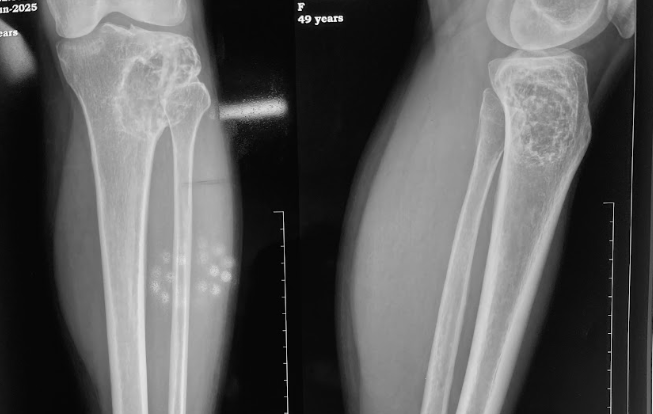
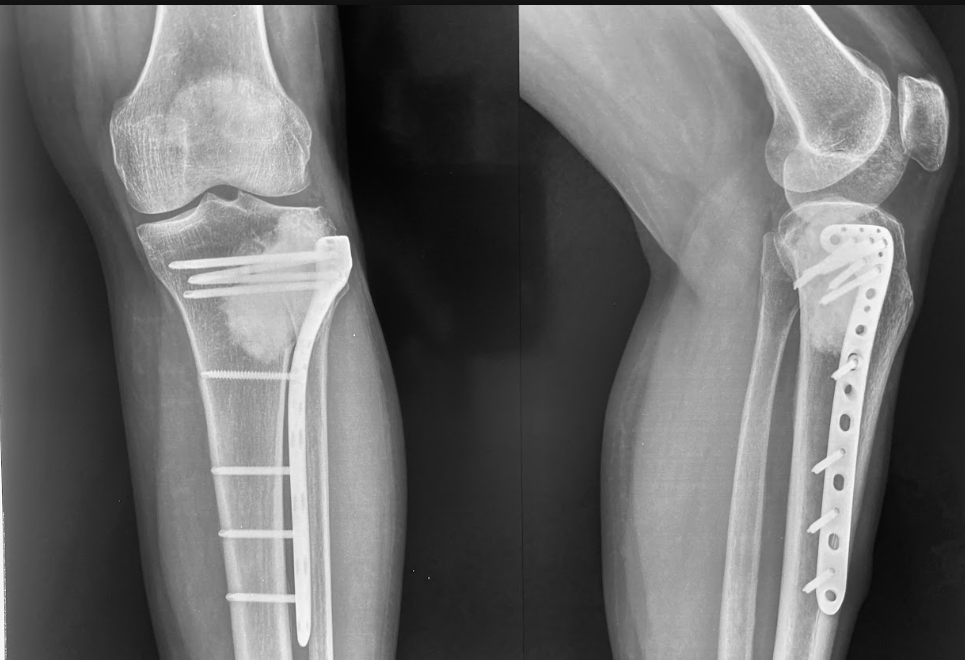
- Curettage: Here the abnormal bone is removed from the cavity and then replaced with either autograft or artificial substances.
- Wide excision: The bone tumour along with a margin of healthy tissues is removed completely. It is standard operation for Malignant tumours.
- Limb Salvage surgery: The tumour is removed en-bloc and replaced with an artificial implant or joint.
- Amputation: Rarely performed nowadays. In very late cases.
Chemotherapy
Given in specific bone tumours. May be given both before surgery to shrink the tumour and after surgery to remove residual tissues.
Radiotherapy
In specific tumours like Ewing’s Sarcoma, radiation treatment gives good results.
Limb Salvage Surgery
Most patient and families fear that bone tumour may lead to amputation. Limb salvage surgery aims to save the limb affected by bone tumour and offer the patient activity and movement. The good news is that nowadays, a majority of the tumours can be treated with such surgery in early cases and patients can lead a healthy life afterwards.
Such surgery involves removing the whole tumour along with a margin of healthy bone and then the resultant gap is reconstructed.
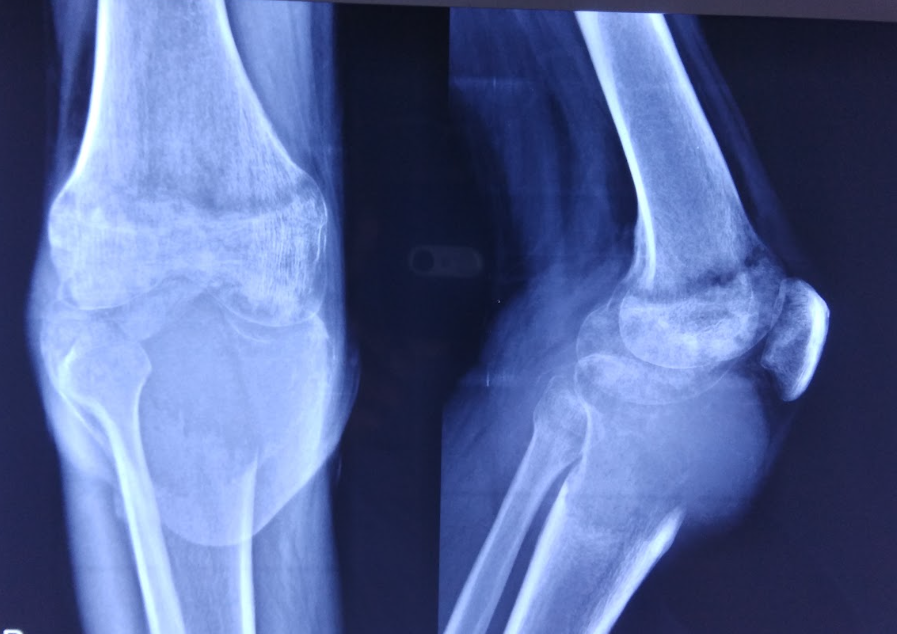
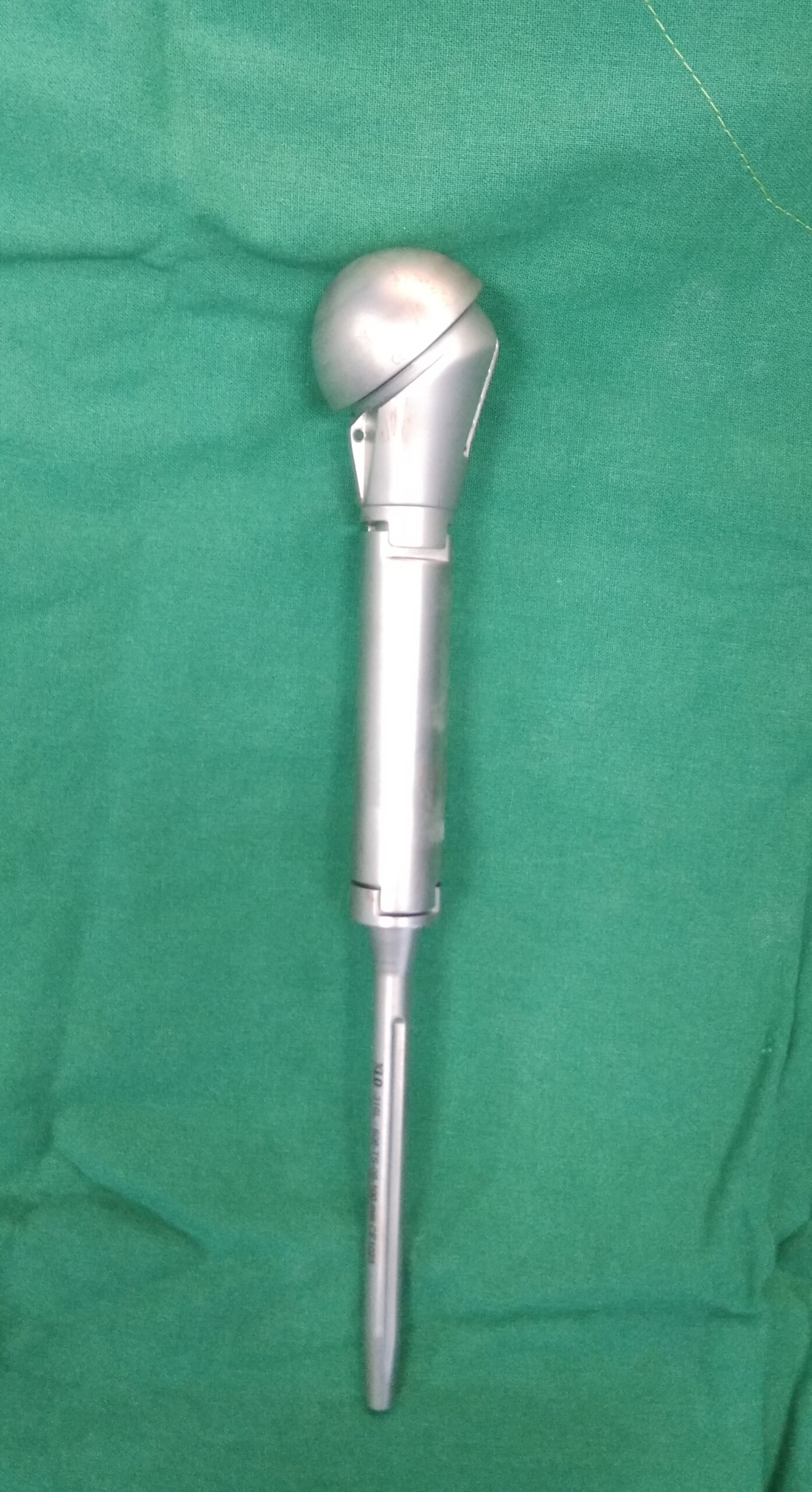
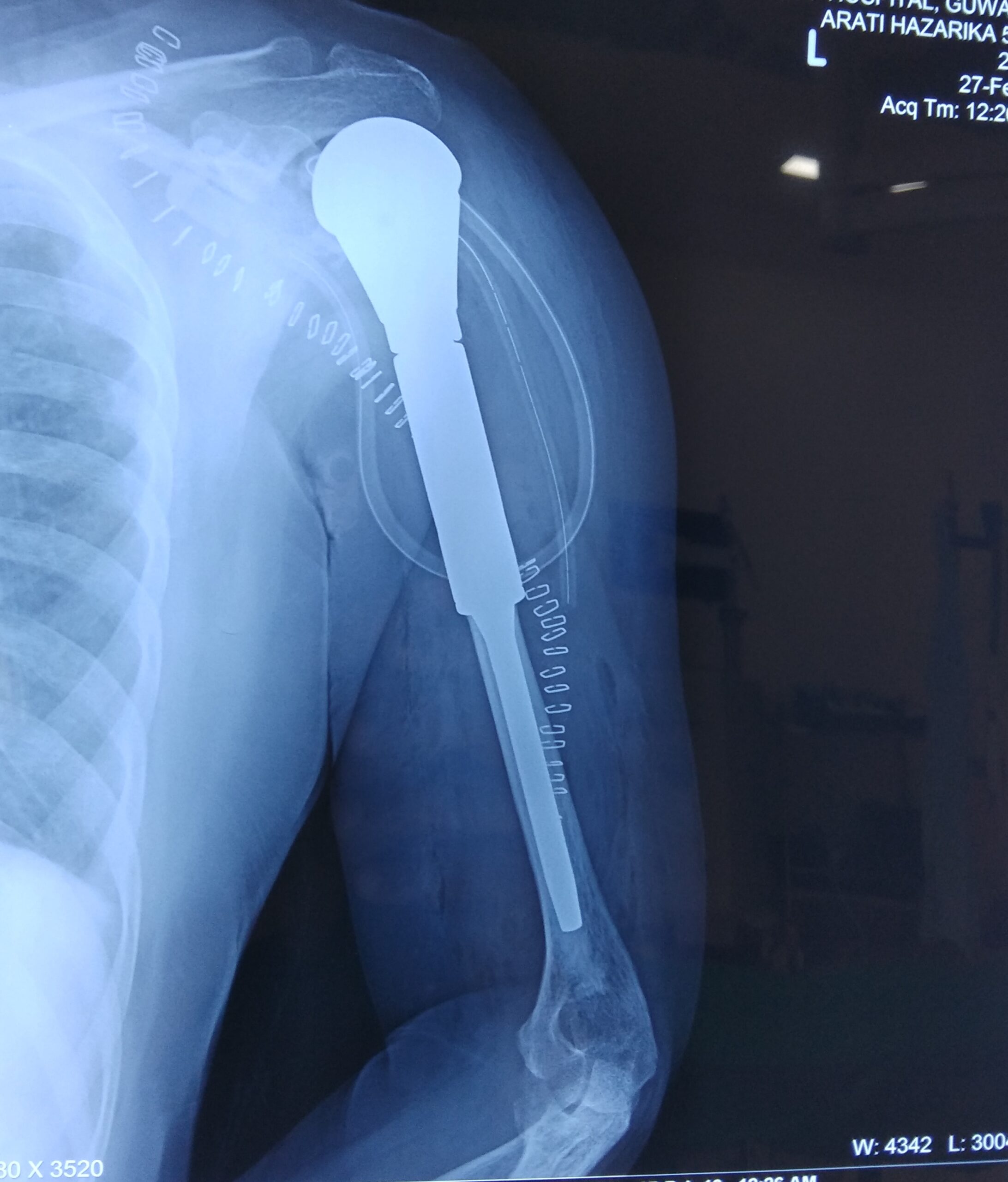
Endoprosthetic Reconstruction: Here the gap is filled with a metallic prosthesis which gives both stability and movement.
Biological Reconstruction: Here the gap is filled with patient’s own bone like the fibula.
Extracorporeal Radiation: Here the tumour part is removed and subjected to radiation to kill the tumour cells. Then it is put back in its original place and fixed.
Bone Tumour Curettage + Bone Cement + Plating
Before
After
Bone Tumour Excison + Endoprosthetic Reconstruction
Before
After
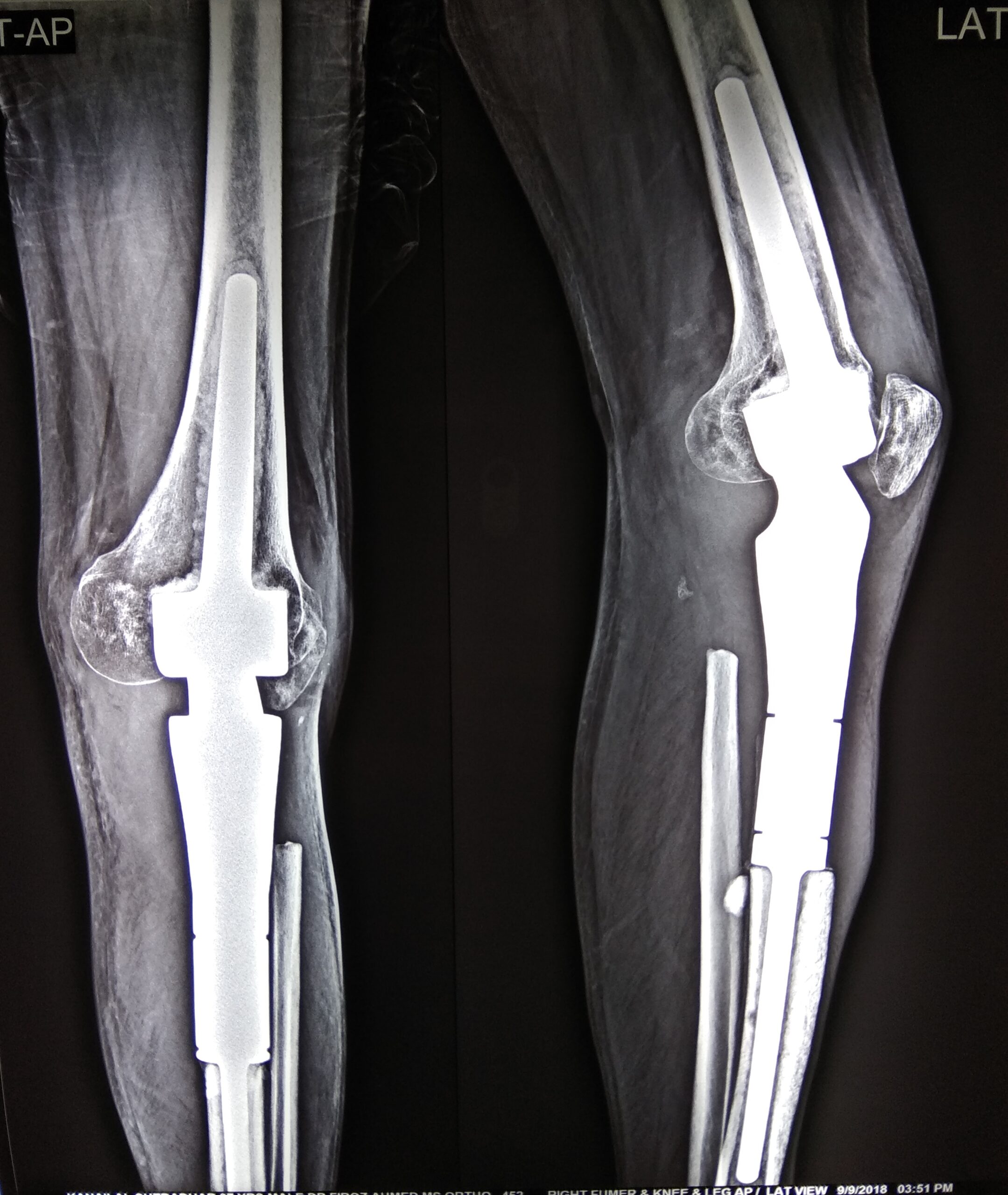
Bone Tumour Excison + Endoprosthetic Reconstruction
Before (Shoulder)
Metal Prosthesis
After Surgery
Bone Tumours in North east
Unfortunately, North East region has a high incidence of tumours. Bone tumours are also quite common.
However, due to lack of infrastructure and awareness, the patients in the region usually present late to the specialist.
Why Choose Dr Firoz Ahmed
Dr Firoz Ahmed is a leading Orthopaedic surgeon in Guwahati, with a special interest in bone tumours. He had trained the guidance of Prof Kabul Chandra Saikia, HOD of Orthopaedics at Guwahati Medical College who was an expert in bone tumour management. Since then, Dr Firoz Ahmed developed a keen interest in this subject.
Dr Firoz Ahmed approaches a patient of bone tumour in a holistic way, right from clinical examination to proper diagnosis and individualized treatment. He regularly does surgeries for such cases, including lib salvage operations and endoprosthetic reconstructions.
Dr Firoz Ahmed also has a number of research papers published in international as well as national scientific journals.
FAQs
Majority of the bone tumours can be managed successfully nowadays.
No. It may be required in very late or failed cases.
No. Majority of them are benign. They do not spread to other parts of the body.
Yes. We cover all aspects of treatment from surgery, radiation to chemotherapy.
Primary bone tumours cannot be prevented. Early diagnosis and treatment are the key.
Medical review by Dr Firoz Ahmed, MBBS, MS (Orthopaedics) – Consultant Orthopaedic Surgeon, Guwahati.
Last Updated: May 2026
References:
- American Academy of Orthopaedic Surgeons (AAOS)
- Mayo Clinic
- Cleveland Clinic
Medical Disclaimer:
Dr Firoz Ahmed
Joint Replacement, Sports Injury Specialist and Joint Preservation Surgeon
OPD: Mon–Sat | 9 AM – 4 PM
Location: ARHI Hospital, Jorabat (near Guwahati, Khanapara)
Learn more about Bone Tumour
Contact us now!