
ORTHOPAEDICS • GUWAHATI
Ozone Therapy in Guwahati
Expanding Non-Surgical Use
Dr. Firoz Ahmed, MS Orthopaedics
Updated: Apr 2026
Ozone therapy has been used across Europe, the Middle East, and leading centres in India as part of modern non-surgical orthopaedic care. Many patients with joint pain, spine problems, and sports injuries have experienced meaningful improvement in pain and function with this approach.
It is now available in Northeast India, offering patients access to a minimally invasive treatment option that works by improving the local healing environment rather than relying only on medications.
In clinical practice, ozone therapy is increasingly being used in carefully selected cases of joint and spine disorders—particularly when conventional treatments provide limited relief but surgery may still be avoidable.
Focus on Non-Surgical management of Bone and Joint diseases to delay and/or avoid surgery.
- Pioneer in Orthobiologics in North East
- Advanced Minimally Invasive Techniques
- Complete Rehabilitation support
- Trusted by patients across Guwahati, Assam, and North East India.
What is Ozone Therapy?
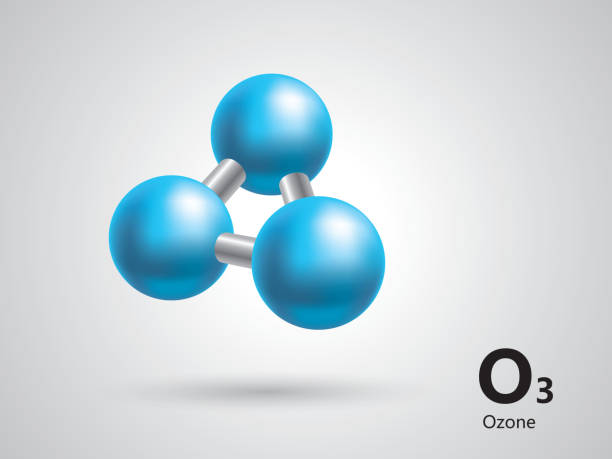
Ozone is a naturally occurring gas composed of three oxygen atoms (O₃).
In medical use, it is generated from pure oxygen using a specialized medical-grade device that produces precise, controlled concentrations suitable for therapeutic application.
Because ozone is highly reactive and unstable, it cannot be stored and must be prepared fresh at the time of treatment. It is then administered directly to the targeted tissue, where it is used in controlled doses as part of a therapeutic protocol aimed at improving the local biological environment.
Which Problems Can Be Treated with Ozone Therapy?
Ozone therapy may be considered in a range of orthopaedic conditions, particularly in early to moderate stages or when non-surgical options are preferred.
• Knee osteoarthritis
• Spine disc prolapse and sciatica
• Hip avascular necrosis (early stages) and stiffness
• ACL or PCL partial tears
• Meniscus injuries
• Tendinitis and chronic soft tissue pain
• Tennis elbow / Golfer’s elbow
• Frozen shoulder
• Other selected joint and ligament conditions based on clinical evaluation
How is Ozone Therapy Different from Steroid Injections?
Steroid injections are commonly used because they give quick relief from pain and inflammation. Many patients feel significantly better within a short time, which is why they are so popular. However, this relief is often temporary, as steroids mainly work by suppressing symptoms rather than improving the underlying problem.
With repeated use, steroids may also have downsides – especially in joints. They can sometimes affect cartilage health, weaken tissues over time, and increase the risk of complications if not used carefully.
Ozone therapy takes a different approach. Instead of just reducing pain signals, it is used to support the body’s natural healing response in the affected area. The goal is not just short-term relief, but gradual improvement in function and tissue health in selected cases.
This is why ozone therapy is often considered when patients are looking for a more sustained, non-surgical option.
How Does Ozone Therapy Work?
Reduces Inflammation
Helps calm the inflammatory process that drives pain and swelling in joints and soft tissues.
Improves Oxygen Delivery
Enhances oxygen availability at the tissue level, which is essential for cellular repair and recovery.
Boosts Blood Circulation
Supports better local blood flow, helping nutrients reach damaged tissues more effectively.
Provides Pain Relief
Has a direct analgesic effect, reducing pain and improving comfort during movement.
Who Are Good Candidates for Ozone Therapy?
- Patients with mild to moderate disease, where joint or tissue damage is not advanced
- Active individuals looking to return to daily activities or sports without opting for surgery
- Spine conditions such as disc prolapse, especially when there is no severe nerve compression or weakness
- Chronic tendon or soft tissue injuries that have not responded well to routine treatments
Where is Ozone Therapy Not Suitable?
- Patients with advanced arthritis where there is significant joint damage or bone-on-bone changes
- Cases with severe neurological deficit, such as marked weakness, loss of function, or progressive nerve symptoms
- Structural deformities of joints or spine where surgical correction may be more appropriate
Why is Ozone Therapy Important in the North East?
Ozone therapy helps fulfill a long-standing gap in the treatment process, especially in the North East. As we all know, this region produces a large number of sportspersons.
In addition, the terrain itself contributes to a higher incidence of knee and spine-related problems.
Until now, treatment options were often limited to conservative methods like medicines and physiotherapy, followed by surgery if these measures failed.
Ozone therapy can help bridge this gap by offering a minimally invasive option that may delay, and in selected cases reduce, the need for surgery, while also supporting the natural healing processes of the affected tissues.
Risks and Safety
Ozone therapy is generally considered a very safe procedure when performed by trained professionals using medical grade equipment. The complication rates reported are very low.
However, certain individuals with specific health issues may not be suitable for such procedures. Therefore, proper examination of the patient and case selection is extremely important.
Recovery Timeline
- You may experience some discomfort at the injection site for 12-48 hours, which is completely normal
- Symptomatic relief usually occurs relatively early after the procedure
- Clinical improvement may take around 6-12 weeks, depending on the body’s regenerative capacity
Why choose Dr Firoz Ahmed
Dr Firoz Ahmed is a renowned Orthopaedic surgeon practicing in Guwahati with 15+ years of experience with multiple fellowships and trainings under his belt.
He has always been passionate about Joint preservation options and attends CME, conferences, workshops and training programs in this exciting field of Orthobiologics.
He evaluates the patients thoroughly before deciding on PRP therapy and explains the pros and cons in detail.
Research and Clinical Evidence
Ozone therapy has been studied in a variety of orthopaedic conditions, including joint pain and spine disorders. Many studies have reported encouraging results in terms of pain relief and improvement in function, especially in carefully selected patients.
At the same time, research is still evolving, and outcomes can vary depending on the stage of disease, patient factors, and treatment technique. It is best viewed as part of a structured, evidence-informed treatment approach rather than a standalone solution.
- Magalhães et al. (2012) – Demonstrated significant pain relief in patients with lumbar disc herniation with a low complication rate. (Pain Physician Journal)
- Bocci et al. (2011) – Explains the biological mechanisms of ozone, including anti-inflammatory and oxygenation effects. (Ozone: A New Medical Drug)
- Sconza et al. (2020) – Systematic review showing improvement in pain and function in knee osteoarthritis. (Cartilage Journal)
FAQs
No. It is generally well tolerated.
Dr Firoz Ahmed usually gives a single injection only. Any further injections depend on the progress of the disease.
Usually, you will start noticing gradual improvement in a few weeks times, although complete recovery may take longer.
No. Ozone therapy can be useful in selected cases but in those cases where surgery is indicated, it will not work.
When done in a medically appropriate setting by a trained surgeon in carefully selected patients, Ozone therapy is generally safe.
Medical review by Dr Firoz Ahmed, MBBS, MS (Orthopaedics) – Consultant Orthopaedic Surgeon, Guwahati.
Last Updated: Apr 2026
Medical Disclaimer:
Dr Firoz Ahmed
Sports Injury Specialist and Joint Preservation Surgeon
OPD: Mon–Sat | 9 AM – 4 PM
Location: ARHI Hospital, Jorabat (near Guwahati, Khanapara)
Wish to know more about Ozone Therapy?
Contact us now!